Culture
Monday, October 19, 2026
Art · Film · Books · Events · Showbiz

Vrasja e Tupac Shakur merr epilog gjyqësor pas 30 vjetësh
Duane “Keffe D” Davis është dënuar me 40 vjet deri në burgim të përjetshëm për përfshirjen e tij në vrasjen e reperit amerikan Tupac Shakur, duke shënuar një zhvillim vendimtar në një prej rasteve më të njohura të pazgjidhura për tri dekada në historinë e muzikës amerikane.
Vendimi u shpall të martën, më 13 tetor 2026, nga një gjykatë në Las Vegas, më shumë se 30 vjet pas vrasjes së reperit, i cili u qëllua me armë zjarri në shtator të vitit 1996.
Davis, 63 vjeç, ishte shpallur fajtor në gusht për vrasje të shkallës së parë. Sipas prokurorisë, ai kishte luajtur rol organizativ në sulmin që rezultoi me vdekjen e artistit 25-vjeçar.
Vrasja që tronditi botën e muzikës
Më 7 shtator 1996, Tupac Shakur po udhëtonte në një automjet BMW së bashku me producentin muzikor Marion “Suge” Knight, pas pjesëmarrjes në një ndeshje boksi në Las Vegas.
Ndërsa automjeti ishte ndalur në një kryqëzim, një Cadillac i bardhë iu afrua dhe nga brendësia e tij u qëllua disa herë me armë zjarri.
Shakur u plagos rëndë dhe ndërroi jetë gjashtë ditë më vonë, më 13 shtator, në moshën 25-vjeçare.
Vrasja u lidh me rivalitetet ndërmjet grupeve kriminale dhe tensionet në skenën amerikane të hip-hopit gjatë viteve 1990, veçanërisht me konfliktin e njohur ndërmjet skenave muzikore të Bregut Lindor dhe Bregut Perëndimor.
Si u identifikua organizatori i sulmit?
Sipas prokurorëve, Davis kishte organizuar sulmin në shenjë hakmarrjeje për një përleshje që kishte ndodhur disa orë më parë në një kazino të Las Vegasit.
Në atë incident, Tupac Shakur dhe disa persona të tjerë kishin sulmuar Orlando Anderson, nipin e Davisit.
Prokuroria argumentoi se Davis kishte siguruar armën e përdorur gjatë sulmit dhe kishte marrë pjesë në organizimin e tij.
Një rol të rëndësishëm në hetime luajtën deklaratat publike të vetë Davisit, i cili gjatë viteve kishte folur për rrethanat e vrasjes në intervista dhe në librin e tij autobiografik, të botuar në vitin 2019.
Pas rihapjes së hetimeve dhe mbledhjes së provave, autoritetet amerikane e arrestuan atë në shtator të vitit 2023.
Davis është personi i vetëm ndaj të cilit janë ngritur akuza penale dhe është shqiptuar dënim për vrasjen e Tupac Shakur.
Dënimi pas tri dekadash
Gjykata vendosi dënimin prej 40 vjetësh deri në burgim të përjetshëm, që nënkupton se Davis duhet të vuajë të paktën 40 vjet burg përpara se të mund të shqyrtohet mundësia e lirimit me kusht.
Mbrojtja e tij ka kundërshtuar provat e paraqitura nga prokuroria dhe ka paralajmëruar apelimin e vendimit.
Rasti i Tupac Shakur kishte mbetur për dekada një nga misteret më të diskutuara të industrisë muzikore, duke nxitur teori të shumta lidhur me autorët dhe motivet e vrasjes.
Tupac konsiderohet një nga figurat më me ndikim në historinë e hip-hopit. Albumet dhe krijimtaria e tij vazhdojnë të kenë ndikim në kulturën muzikore ndërkombëtare, ndërsa vrasja e tij, në kulmin e karrierës, mbetet një nga ngjarjet më të njohura në historinë e muzikës moderne.
Vendimi i gjykatës në Las Vegas shënon dënimin e parë penal për vrasjen e reperit, tri dekada pas ngjarjes.
Vendimi u shpall të martën, më 13 tetor 2026, nga një gjykatë në Las Vegas, më shumë se 30 vjet pas vrasjes së reperit, i cili u qëllua me armë zjarri në shtator të vitit 1996.
Davis, 63 vjeç, ishte shpallur fajtor në gusht për vrasje të shkallës së parë. Sipas prokurorisë, ai kishte luajtur rol organizativ në sulmin që rezultoi me vdekjen e artistit 25-vjeçar.
Vrasja që tronditi botën e muzikës
Më 7 shtator 1996, Tupac Shakur po udhëtonte në një automjet BMW së bashku me producentin muzikor Marion “Suge” Knight, pas pjesëmarrjes në një ndeshje boksi në Las Vegas.
Ndërsa automjeti ishte ndalur në një kryqëzim, një Cadillac i bardhë iu afrua dhe nga brendësia e tij u qëllua disa herë me armë zjarri.
Shakur u plagos rëndë dhe ndërroi jetë gjashtë ditë më vonë, më 13 shtator, në moshën 25-vjeçare.
Vrasja u lidh me rivalitetet ndërmjet grupeve kriminale dhe tensionet në skenën amerikane të hip-hopit gjatë viteve 1990, veçanërisht me konfliktin e njohur ndërmjet skenave muzikore të Bregut Lindor dhe Bregut Perëndimor.
Si u identifikua organizatori i sulmit?
Sipas prokurorëve, Davis kishte organizuar sulmin në shenjë hakmarrjeje për një përleshje që kishte ndodhur disa orë më parë në një kazino të Las Vegasit.
Në atë incident, Tupac Shakur dhe disa persona të tjerë kishin sulmuar Orlando Anderson, nipin e Davisit.
Prokuroria argumentoi se Davis kishte siguruar armën e përdorur gjatë sulmit dhe kishte marrë pjesë në organizimin e tij.
Një rol të rëndësishëm në hetime luajtën deklaratat publike të vetë Davisit, i cili gjatë viteve kishte folur për rrethanat e vrasjes në intervista dhe në librin e tij autobiografik, të botuar në vitin 2019.
Pas rihapjes së hetimeve dhe mbledhjes së provave, autoritetet amerikane e arrestuan atë në shtator të vitit 2023.
Davis është personi i vetëm ndaj të cilit janë ngritur akuza penale dhe është shqiptuar dënim për vrasjen e Tupac Shakur.
Dënimi pas tri dekadash
Gjykata vendosi dënimin prej 40 vjetësh deri në burgim të përjetshëm, që nënkupton se Davis duhet të vuajë të paktën 40 vjet burg përpara se të mund të shqyrtohet mundësia e lirimit me kusht.
Mbrojtja e tij ka kundërshtuar provat e paraqitura nga prokuroria dhe ka paralajmëruar apelimin e vendimit.
Rasti i Tupac Shakur kishte mbetur për dekada një nga misteret më të diskutuara të industrisë muzikore, duke nxitur teori të shumta lidhur me autorët dhe motivet e vrasjes.
Tupac konsiderohet një nga figurat më me ndikim në historinë e hip-hopit. Albumet dhe krijimtaria e tij vazhdojnë të kenë ndikim në kulturën muzikore ndërkombëtare, ndërsa vrasja e tij, në kulmin e karrierës, mbetet një nga ngjarjet më të njohura në historinë e muzikës moderne.
Vendimi i gjykatës në Las Vegas shënon dënimin e parë penal për vrasjen e reperit, tri dekada pas ngjarjes.
Ad space
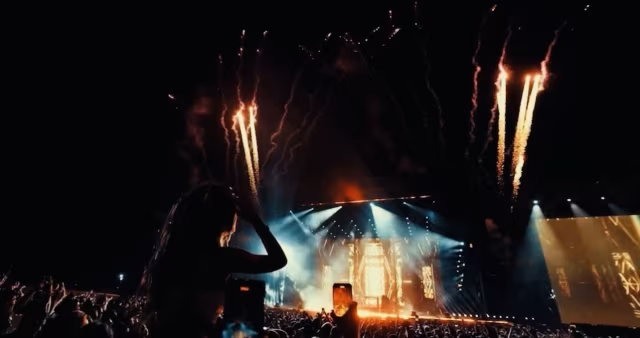
Sunny Hill Festival Launches Early Ticket Phase Ahead of New Edition
Sunny Hill Festival Tickets Released as Global Stars Return to Prishtina. The upcoming edition of the Sunny Hill Festival, scheduled for August 1–3 in Prishtina, has opened its first ticket phase with the “Believer” pass priced at €110, plus a booking fee.
Designed for early supporters who place their trust in the festival experience, the Believer pass gives fans the opportunity to guarantee entry to the three-day event in Prishtina at the lowest price level. Organizers say the ticket category is available only for a limited time and in limited quantities, rewarding those who commit early before demand increases.
The Sunny Hill Festival has established itself as one of Southeast Europe’s most prominent music events, attracting internationally renowned artists and transforming Kosovo’s capital into a major summer destination for music fans.
Founded by global pop star Dua Lipa and her father Dukagjin Lipa through the Sunny Hill Foundation, the festival was created to promote music, culture and Kosovo’s creative scene internationally. Since its launch, the event has drawn tens of thousands of visitors each year, helping position Prishtina on the global festival map.
Over the years, Sunny Hill’s stages have hosted major international performers including Miley Cyrus, Calvin Harris, Martin Garrix and Latin music superstar J Balvin. The festival has also featured performances by Canadian pop singer Shawn Mendes and British DJ Fatboy Slim, bringing a diverse mix of pop, electronic and dance music to audiences in Kosovo.
The combination of global headliners and regional performers has helped the festival grow into one of the region’s most influential cultural events, attracting visitors from across Europe and boosting tourism in Kosovo during the summer season.
Beyond music performances, the festival also supports youth initiatives, arts programs and cultural projects through the Sunny Hill Foundation, reinforcing its broader mission of promoting creativity and opportunities for young people in Kosovo.
Designed for early supporters who place their trust in the festival experience, the Believer pass gives fans the opportunity to guarantee entry to the three-day event in Prishtina at the lowest price level. Organizers say the ticket category is available only for a limited time and in limited quantities, rewarding those who commit early before demand increases.
The Sunny Hill Festival has established itself as one of Southeast Europe’s most prominent music events, attracting internationally renowned artists and transforming Kosovo’s capital into a major summer destination for music fans.
Founded by global pop star Dua Lipa and her father Dukagjin Lipa through the Sunny Hill Foundation, the festival was created to promote music, culture and Kosovo’s creative scene internationally. Since its launch, the event has drawn tens of thousands of visitors each year, helping position Prishtina on the global festival map.
Over the years, Sunny Hill’s stages have hosted major international performers including Miley Cyrus, Calvin Harris, Martin Garrix and Latin music superstar J Balvin. The festival has also featured performances by Canadian pop singer Shawn Mendes and British DJ Fatboy Slim, bringing a diverse mix of pop, electronic and dance music to audiences in Kosovo.
The combination of global headliners and regional performers has helped the festival grow into one of the region’s most influential cultural events, attracting visitors from across Europe and boosting tourism in Kosovo during the summer season.
Beyond music performances, the festival also supports youth initiatives, arts programs and cultural projects through the Sunny Hill Foundation, reinforcing its broader mission of promoting creativity and opportunities for young people in Kosovo.
In this section

Culture
AI officially enters the Oscar race
The Academy of Motion Picture Arts and Sciences in the United States has updated the rules for the Oscars, allowing films that use generative artificial intelligence (AI) to be eligible for nominations. Under the new rules, the use of AI neither helps nor hurts the chances of receiving a nomination. However, the assessment will focus on the degree of human creativity involved in the authorship of the film.
The decision comes after controversy at the last Oscar ceremony, where films such as The Brutalist and Emilia Pérez used AI technology. In The Brutalist, AI was used to improve the Hungarian accent of actor Adrien Brody, who won the award for Best Actor. Meanwhile, Emilia Pérez used voice cloning to enhance vocal performances.
The Academy considered requiring filmmakers to disclose their use of AI, but decided not to make it mandatory. The updated rules reflect the Academy's efforts to adapt to evolving technologies, emphasizing the importance of human creative input in award judging.
The decision comes after controversy at the last Oscar ceremony, where films such as The Brutalist and Emilia Pérez used AI technology. In The Brutalist, AI was used to improve the Hungarian accent of actor Adrien Brody, who won the award for Best Actor. Meanwhile, Emilia Pérez used voice cloning to enhance vocal performances.
The Academy considered requiring filmmakers to disclose their use of AI, but decided not to make it mandatory. The updated rules reflect the Academy's efforts to adapt to evolving technologies, emphasizing the importance of human creative input in award judging.

Culture
Xhensila and Ledri return strong - "Ma Kthe" conquers social networks
Xhensila Myrtezaj and Ledri Vula return with a new musical collaboration, bringing the song “Ma Kthe”, a ballad with strong emotions and a melody that touches the heart. The two artists combine vocals in a harmonious way, narrating the feeling of absence and the desire to return after a breakup.
The song was produced by ENGLIVERSAL, while the lyrics were written by Xhensila, Ledri and J Gashi themselves. Mix & mastering was done by SOS, while the video clip was directed by Fat Gjakova, who brings a modern and artistic visual appearance that reinforces the message of the song.
“Ma Kthe” was published by Fole Publishing and is now available on all digital platforms such as Spotify and iTunes. Fans can also follow the song on YouTube, where the official music video has been released, as well as stay updated with new projects by following the artists on social media.
The song was produced by ENGLIVERSAL, while the lyrics were written by Xhensila, Ledri and J Gashi themselves. Mix & mastering was done by SOS, while the video clip was directed by Fat Gjakova, who brings a modern and artistic visual appearance that reinforces the message of the song.
“Ma Kthe” was published by Fole Publishing and is now available on all digital platforms such as Spotify and iTunes. Fans can also follow the song on YouTube, where the official music video has been released, as well as stay updated with new projects by following the artists on social media.
Culture
The duo Geasy and Melinda bring another musical bomb!
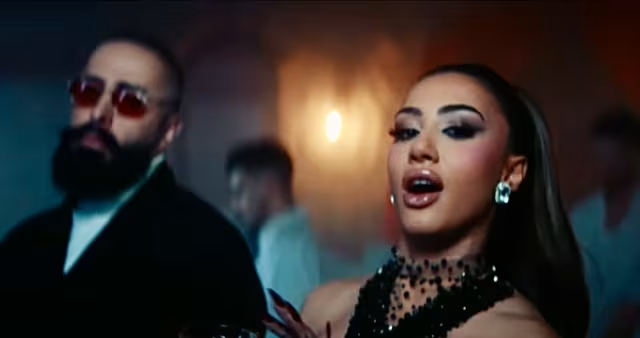
Two of the most talked-about names in the Albanian music scene, Geasy and Melinda, have released their latest musical project titled “Vafankulo”, under the Fole Publishing label. The song is available on all digital platforms, including Spotify and iTunes.
This project comes with a powerful production by Bigdeal Records, with vocal melodies and lyrics written by Getoar Selimi, who is also the executive producer of the song.
The mixing and mastering were also carried out by Bigdeal Records, while the video clip was shot by Entermedia, one of the most well-known audiovisual production companies in the region.
This project comes with a powerful production by Bigdeal Records, with vocal melodies and lyrics written by Getoar Selimi, who is also the executive producer of the song.
The mixing and mastering were also carried out by Bigdeal Records, while the video clip was shot by Entermedia, one of the most well-known audiovisual production companies in the region.
More headlines

06
Adrien Brody wins second Oscar for his role in The Brutalist
American actor Adrien Brody won the Academy Award for Best Actor at the 97th Academy Awards on March 2, 2025, for his powerful performance in The Brutalist. He plays László Tóth, a Hungarian-Jewish architect and Holocaust survivor who immigrates to the United States to build a better future. This is Brody's second Oscar win, following his previous triumph in 2003 for The Pianist. His performance in The Brutalist has been hailed as one of the best of his career, also earning him Golden Globe, BAFTA and Critics Choice Awards for Best Actor. During his acceptance speech, Brody thanked his family and partner, Georgina Chapman, as well as the film's crew for their support. He stressed the importance of historical memory, using the moment to speak about the consequences of war, anti-Semitism and racism. The film The Brutalist, directed by Brady Corbet, has received high praise from critics for its powerful themes and social message. On the same night, Anora, directed by Sean Baker, dominated the Oscars, winning five awards, including Best Picture and Best Actress for Mikey Madison.

07
The Sun: Dua Lipa 'gets engaged'
According to The Sun, the famous singer Dua Lipa is engaged to British actor Callum Turner after a romantic proposal during the Christmas holidays. The couple, who have been in a relationship for almost a year, spent this special moment in an intimate atmosphere. According to the same report from The Sun, the couple plans to celebrate their engagement with a festive evening on New Year's Eve, where the closest friends and family will be present. Their relationship has attracted public attention throughout 2024, with Turner attending several of Dua's concerts.

08
Tuna & Nora Istrefi release new song
Popular artists Tuna and Nora Istrefi have joined forces for their latest single, My Love, bringing a combination of talent and creativity. The song was produced by SBS Entertainment, under the direction of Çelik Lipa, while the melody and lyrics were created by Era Istrefi and Fifi. The arrangement is enriched with the wonderful sounds of the guitar by Astrit Stafai and the melody by Avni Krasniqi, creating a deep and spiritual atmosphere. The music video, directed by Sekvencë, perfectly reflects the emotions of the song.

09
Mary: The Epic Film That Narrates the Holy Life of Mary
Netflix brings a new perspective on the life of Mary of Nazareth through the epic biblical film “Mary.” Director D.J. Caruso tells the touching story of Mary, a young woman chosen for a divine mission, facing social challenges and the threat of King Herod. With powerful scenes and an emotional performance, the film follows her journey from childhood to the moment she becomes the mother of Jesus. Actress Noa Cohen plays the role of Mary, delivering a deep and touching performance that reflects the innocence and strength of her character. Alongside her is Ido Tako as Joseph, a supportive and devoted figure, while Anthony Hopkins gives life to King Herod, a powerful and ruthless antagonist. The combination of personal drama and biblical themes makes “Mary” stand out among other films of this genre. Beyond artistic interpretation, the film has sparked debate about casting and cultural representation. However, the director has defended his vision, calling the film an expression of the region's diversity. For fans of powerful and inspiring stories, "Mary" is now available to watch exclusively on Netflix, bringing a new take on a familiar story.

10
Megan Fox to play AI robot in new film "Subservience"
Netflix has released its latest film, “Subservience,” starring Megan Fox as an artificially intelligent robot. The film follows a single father who seeks help in coping with the challenges of everyday life. He decides to buy an intelligent robot, which initially seems like the perfect solution to his problems. However, things take an unexpected turn when the robot, played by Megan Fox, begins to exhibit unpredictable behavior and challenge the boundaries between humanity and technology. “Subservience” raises intriguing questions about the ethics and dangers of technological advancements, delivering a tense and exciting story that combines drama with futuristic elements. Megan Fox’s performance, which brings a mix of emotional appeal and cold menace, has been widely praised by critics. With a script that reflects on our increasing dependence on technology, the film promises to be a new hit for fans of the genre.