Medicine
Monday, October 19, 2026
Science · Analysis · Developments

H. pylori, beyond the stomach: Study links it to colorectal cancer
H. pylori is linked to a higher risk of colorectal cancer, the study included about 49 million peopleExposure to the bacterium Helicobacter pylori (H. pylori) is associated with a higher risk of developing colorectal cancer, according to a study published in the scientific journal eGastroenterology.The study, titled “Global and regional burden of colorectal cancer potentially related to Helicobacter pylori exposure: a risk attribution modelling study”, analyzed data from 43 studies with a total of 48,694,403 participants.The results showed that individuals exposed to H. pylori had about 1.6 times higher risk of colorectal cancer compared to those not exposed to the bacterium.Using these data and global cancer statistics, the researchers estimated that about 22% of colorectal cancer cases worldwide could potentially be linked to H. pylori exposure.However, when the analysis was limited to 14 population-based and cohort studies, the estimated percentage dropped to around 12%, indicating that the 22% figure should be interpreted with caution.The study also analyzed data on bacterial eradication. In four observational studies, eradication of H. pylori was associated with a lower risk of colorectal cancer after a period of about 10 years.The results also showed significant geographical differences. The estimated percentage of potentially linked cases to H. pylori reached 36% in Mongolia, while China had the highest absolute number of estimated cases, about 139,619 cases.The authors emphasize that these results do not prove that H. pylori directly causes colorectal cancer. The study is a risk attribution modeling and the observed epidemiological association is not equivalent to a proven cause-and-effect relationship.For this reason, the researchers call for further studies, including randomized clinical trials and prospective investigations, to determine whether H. pylori and its eradication truly affect the risk of developing colorectal cancer.
Scientific reference:Global and regional burden of colorectal cancer potentially related to Helicobacter pylori exposure: a risk attribution modelling study. eGastroenterology, 2026;4:e100436.DOI: 10.1136/egastro-2026-100436
Scientific reference:Global and regional burden of colorectal cancer potentially related to Helicobacter pylori exposure: a risk attribution modelling study. eGastroenterology, 2026;4:e100436.DOI: 10.1136/egastro-2026-100436
Ad space
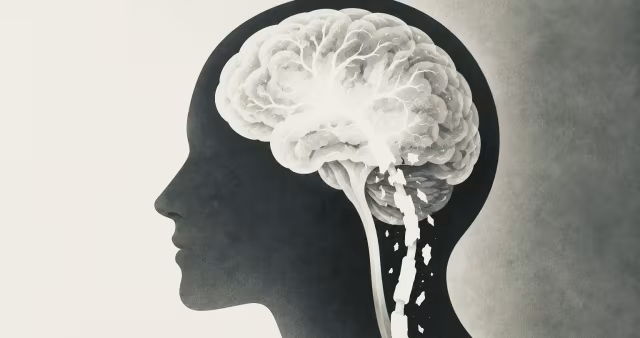
Is EBV one of the main “triggers” of multiple sclerosis?
For decades, the primary cause of multiple sclerosis (MS) has remained one of the biggest questions in neurology. Now, a number of studies are placing the Epstein–Barr virus (EBV) at the center of a powerful hypothesis: EBV may act as a kind of “trigger” that initiates the immunological process that, years later, can manifest as multiple sclerosis.
EBV is an extremely common virus. Over 90 percent of adults become infected with it during their lifetime and, after infection, the virus does not completely leave the body. It can remain in a latent state, especially within the B cells of the immune system.
This does not mean that EBV infection automatically causes MS. The overwhelming majority of infected people never develop the disease. However, data indicate that EBV may be a very important link in the chain leading to it.
One of the most powerful pieces of evidence came from a study published in Science in 2022. The researchers analyzed a cohort of more than 10 million members of the U.S. military, using blood samples collected over the years.
During the follow‑up, 955 individuals were diagnosed with MS. The analysis showed that the risk of MS increased about 32‑fold after EBV infection. A similar association was not found with cytomegalovirus, another virus transmitted in a similar way. (PubMed)
In the blood samples, the level of light neurofilament (NfL) – a biomarker of neuroaxonal damage – began to rise only after EBV infection. This creates an important sequence of events:
EBV infection can be followed by biological changes that precede the clinical manifestation of multiple sclerosis. Studies have shown that after infection there can be an increase in biomarkers of neuroaxonal damage, suggesting a possible sequence of events where EBV infection precedes nerve damage and, later, the onset of MS.
One of the most interesting explanations is called molecular mimicry.
The immune system creates antibodies against EBV proteins. But some parts of a viral protein called EBNA1 share similarity with proteins of the nervous system.
A study in Nature discovered that some antibodies produced against EBNA1 can also recognize GlialCAM, a protein of the central nervous system. In other words, the immune system that has been trained to recognize the virus can, in some individuals, begin to recognize the body’s own structures.
The immune system’s battle against the virus can, in some predisposed individuals, lead to a misdirected immune response, where the response initially directed against EBV also begins to recognize the body’s own structures. This process can promote the development of autoimmunity and, subsequently, the inflammation and damage to myelin and nerve structures that characterize multiple sclerosis.
But molecular mimicry may not be the only mechanism. EBV specifically infects B cells, which have a central role in MS. The virus can remain latent in B cells and potentially influence how these cells present antigens and activate T cells.
The most accurate way to conceptualize EBV is not as a virus that infects the brain and immediately causes MS.
EBV can act as an initial “trigger” by infecting B cells and remaining in them in a latent state. This long‑term presence can affect how the immune system responds, favoring in some individuals immune responses that mistakenly also recognize nervous system proteins. Over time, this reaction can contribute to the development of chronic autoimmunity, inflammation in the nervous system, and myelin damage, processes that characterize multiple sclerosis.
Even the newest literature continues to describe EBV infection as potentially necessary, but not sufficient, for the development of MS. Genetic factors and other biological and environmental factors appear to determine in which individual this “spark” ultimately turns into disease.
This changes the main question of scientific research. Instead of only asking how to curb inflammation once MS has developed, researchers are trying to understand what happens between EBV infection and the onset of autoimmunity.
If this link is fully defined, it may become possible in the future to intervene precisely at the disease’s “trigger” before the autoimmune process progresses to cause nerve damage.
EBV is an extremely common virus. Over 90 percent of adults become infected with it during their lifetime and, after infection, the virus does not completely leave the body. It can remain in a latent state, especially within the B cells of the immune system.
This does not mean that EBV infection automatically causes MS. The overwhelming majority of infected people never develop the disease. However, data indicate that EBV may be a very important link in the chain leading to it.
What did the study with over 10 million people show?
One of the most powerful pieces of evidence came from a study published in Science in 2022. The researchers analyzed a cohort of more than 10 million members of the U.S. military, using blood samples collected over the years.
During the follow‑up, 955 individuals were diagnosed with MS. The analysis showed that the risk of MS increased about 32‑fold after EBV infection. A similar association was not found with cytomegalovirus, another virus transmitted in a similar way. (PubMed)
In the blood samples, the level of light neurofilament (NfL) – a biomarker of neuroaxonal damage – began to rise only after EBV infection. This creates an important sequence of events:
EBV infection can be followed by biological changes that precede the clinical manifestation of multiple sclerosis. Studies have shown that after infection there can be an increase in biomarkers of neuroaxonal damage, suggesting a possible sequence of events where EBV infection precedes nerve damage and, later, the onset of MS.
How could EBV “trigger” the process?
One of the most interesting explanations is called molecular mimicry.
The immune system creates antibodies against EBV proteins. But some parts of a viral protein called EBNA1 share similarity with proteins of the nervous system.
A study in Nature discovered that some antibodies produced against EBNA1 can also recognize GlialCAM, a protein of the central nervous system. In other words, the immune system that has been trained to recognize the virus can, in some individuals, begin to recognize the body’s own structures.
The immune system’s battle against the virus can, in some predisposed individuals, lead to a misdirected immune response, where the response initially directed against EBV also begins to recognize the body’s own structures. This process can promote the development of autoimmunity and, subsequently, the inflammation and damage to myelin and nerve structures that characterize multiple sclerosis.
But molecular mimicry may not be the only mechanism. EBV specifically infects B cells, which have a central role in MS. The virus can remain latent in B cells and potentially influence how these cells present antigens and activate T cells.
A spark, not the whole fire
The most accurate way to conceptualize EBV is not as a virus that infects the brain and immediately causes MS.
EBV can act as an initial “trigger” by infecting B cells and remaining in them in a latent state. This long‑term presence can affect how the immune system responds, favoring in some individuals immune responses that mistakenly also recognize nervous system proteins. Over time, this reaction can contribute to the development of chronic autoimmunity, inflammation in the nervous system, and myelin damage, processes that characterize multiple sclerosis.
Even the newest literature continues to describe EBV infection as potentially necessary, but not sufficient, for the development of MS. Genetic factors and other biological and environmental factors appear to determine in which individual this “spark” ultimately turns into disease.
This changes the main question of scientific research. Instead of only asking how to curb inflammation once MS has developed, researchers are trying to understand what happens between EBV infection and the onset of autoimmunity.
If this link is fully defined, it may become possible in the future to intervene precisely at the disease’s “trigger” before the autoimmune process progresses to cause nerve damage.
In this section

Medicine
MRI dhe CT përballë një sfide të re? Midjourney prezanton skanimin 60-sekondësh
Kompania Midjourney, e njohur globalisht për gjenerimin e imazheve me inteligjencë artificiale, ka njoftuar një zgjerim të papritur në sektorin e teknologjisë mjekësore me krijimin e divizionit të ri Midjourney Medical dhe prezantimin e pajisjes së parë harduerike të kompanisë – Midjourney Scanner.
Sipas kompanisë, pajisja përdor një metodë të re të quajtur Ultrasonic CT, e cila kombinon dhjetëra sensorë ultrasonikë dhe përpunim me fuqi të lartë kompjuterike për të krijuar një hartë tredimensionale të trupit në rreth 60 sekonda, pa përdorur rrezatim apo fusha të fuqishme magnetike. Përdoruesi zbret në një rezervuar me ujë ku një unazë sensorësh kryen skanimin nga shumë kënde njëkohësisht.
Midjourney thotë se synimi afatgjatë është ta bëjë imazherinë e avancuar po aq të zakonshme sa një vizitë në spa. Për këtë arsye kompania planifikon hapjen e Midjourney Spa në San Francisco në fund të vitit 2027, ku përveç saunave, pishinave dhe zonave të mirëqenies do të instalohen 10 skanerë të këtij lloji. Objektivi është vendosja e rreth 50,000 skanerëve në mbarë botën deri në vitin 2031, me potencial për të kryer deri në 1 miliard skanime në muaj.
Në fazën fillestare, sistemi është projektuar për përdorime të kategorisë wellness dhe për krijimin e hartave të përbërjes së trupit, jo për diagnoza mjekësore. Kompania deklaron se do të punojë me autoritetet rregullatore për të zgjeruar gradualisht aftësitë diagnostikuese të teknologjisë.
Aktualisht, ekzaminimet e plota të trupit janë zakonisht procese që kërkojnë kohë dhe pajisje të specializuara. Një rezonancë magnetike (MRI) e gjithë trupit mund të zgjasë nga 45 deri në 90 minuta, ndërsa në disa raste edhe më gjatë, në varësi të protokollit dhe numrit të zonave që ekzaminohen. Tomografia kompjuterike (CT) është shumë më e shpejtë në kryerjen e skanimit, por përdor rrezatim jonizues dhe zakonisht nuk rekomandohet për kontrolle të shpeshta parandaluese.
Nëse teknologjia e Midjourney arrin të përmbushë premtimet e saj, ajo synon të reduktojë kohën e një skanimi të plotë të trupit në rreth 60 sekonda, duke përdorur ultratinguj në vend të rrezatimit ose fushave të fuqishme magnetike.
Nisma përfaqëson një nga zgjerimet më të pazakonta të një kompanie të inteligjencës artificiale, duke e zhvendosur Midjourney nga krijimi i imazheve gjenerative drejt zhvillimit të teknologjive për kujdesin shëndetësor. Nëse projekti arrin të vërtetojë premtimet e tij përmes studimeve klinike dhe miratimeve rregullatore, ai mund të ndryshojë mënyrën se si realizohen skanimet parandaluese në të ardhmen.